
AI Data Centres in Space: A Real Breakthrough or an Expensive Bet?
SpaceX’s orbital computing plan has cleared a regulatory hurdle. The harder questions involve heat, hardware and whether customers will pay for it.
By Duangduean Studios
By Tejaasvi Bhogra · 28 November 2026
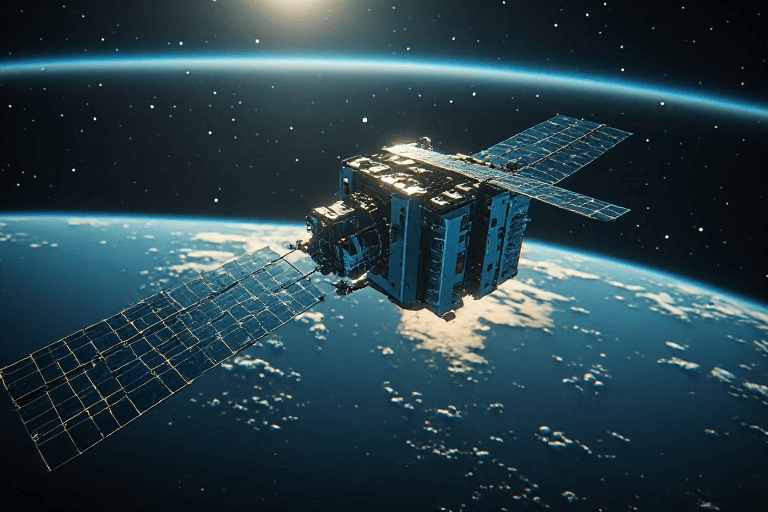
Put the servers above the clouds. Give them sunlight. Leave the pressure on electricity grids behind. As a pitch, space-based AI computing has an immediate appeal. As an engineering project, it comes with a rather longer list of questions.
The latest headline is enormous: according to Associated Press reporting on 25 November, the FCC approved SpaceX’s proposed Starmind constellation of up to one million orbital computing satellites. Astronomers have raised concerns about the effects on the night sky. Approval is a regulatory step; it does not mean that this fleet has been built or that its economics have been demonstrated.
That distinction is where a useful discussion starts. An ambitious proposal deserves attention, but its scale should not be mistaken for evidence that the difficult work is finished.
The attraction is easy to see
The US Government Accountability Office’s April 2026 explainer describes potential reductions in demand for land, electricity and water on Earth. Some orbital arrangements could offer near-continuous solar energy. It also distinguishes processing data already collected in space from building much larger facilities to train AI models.
For readers trying to judge the idea, these are two different starting points. A useful question for any proposed system is where its input data comes from, where the answer needs to go and why orbit is the right place to do that work.
A project should be able to explain its first paying customer as clearly as its eventual constellation size. “AI needs more compute” describes a market pressure. It does not, on its own, explain why a particular customer should move a particular workload into space.
Cold space does not mean easy cooling
GAO identifies heat disposal, communications, radiation, launch economics and crowded orbits as major challenges. A vacuum does not efficiently carry heat away from computing equipment. Radiation can damage hardware or corrupt data, and servicing equipment in orbit remains underdeveloped.
That makes the design worth examining as a complete system. A chip is only one part of the installation. Ask what must accompany it, what can fail and how the operator intends to keep delivering a service after a component stops working.
There is a familiar comparison here for anyone who has built software: the working demonstration is exciting, while the maintenance plan gets fewer screenshots. Both deserve a place in the announcement.
What would count as convincing progress?
Our editorial checklist begins with an operating demonstration and clearly stated limits. What workload ran? For how long? What did the result include, and which supporting tasks were still performed elsewhere?