AI is getting a body: where humanoid robots really stand in 2026
Chatbots learned to talk. Now the same kind of AI is learning to walk, lift and fold laundry. A clear look at who is building humanoid robots, what they cost, and how far away they really are.
By Duangduean Studios
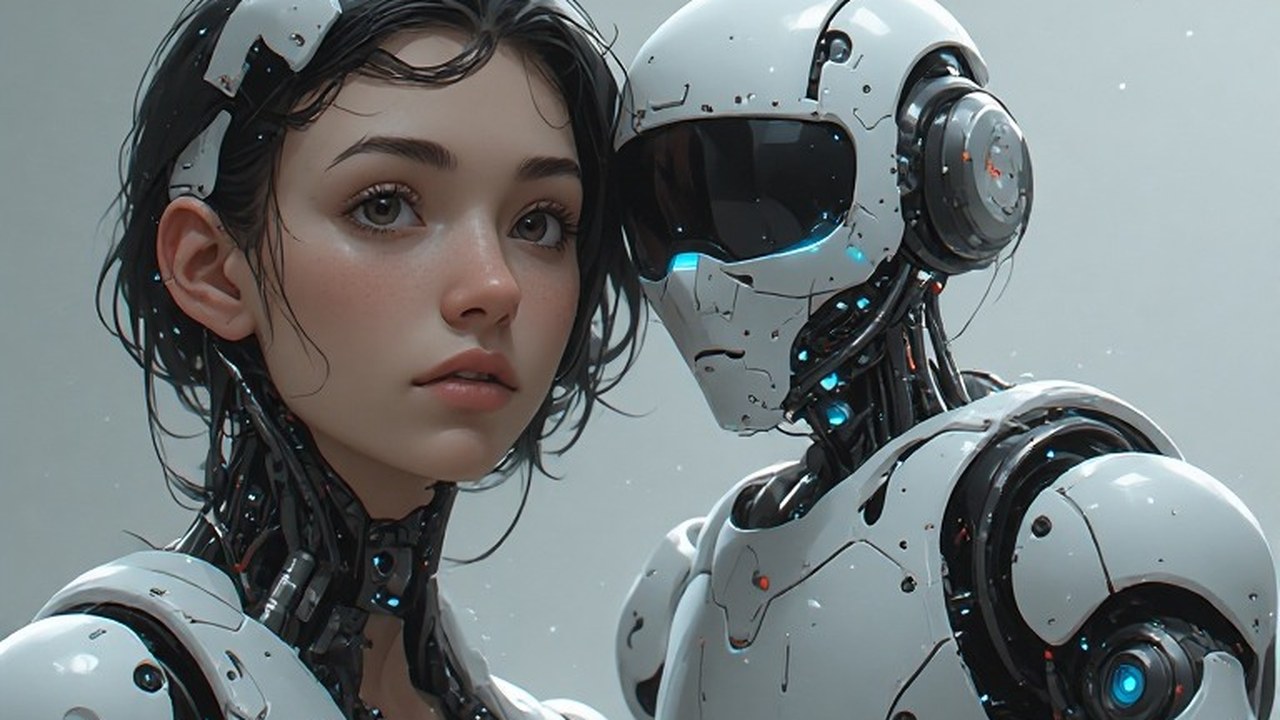
For the last few years, AI has lived inside screens. You type, it answers. It can write an essay, draw a picture or explain a tax form, but it can't pick up a cup.
That's starting to change. The same kind of AI that powers chatbots is being put inside robots, and many of them are shaped like us: two arms, two legs, a head with cameras. The idea is simple. Our world is built for human bodies (stairs, door handles, kitchen shelves, car factories), so a robot shaped like a human can, in theory, work anywhere a person can.
Here's where things actually stand.
Why now?
Robots have existed for decades, but they were dumb in a very specific way. A factory robot arm repeats the same movement perfectly, thousands of times, and falls apart the moment something is slightly different.
What changed is the "brain". New AI models link three things together: what the robot sees, what you say to it, and how it should move. Researchers call them vision-language-action models. Instead of being programmed step by step, the robot can be told "put the red box on the top shelf" and work out the movements itself. It still gets things wrong a lot, but it's a completely different way of building robots.
The big players
Tesla Optimus. Tesla says it wants to make humanoid robots in huge numbers. On its April earnings call, it said initial production at its Fremont factory in California would start in late July or August 2026, on lines that used to build the Model S and Model X. Elon Musk also said it was "literally impossible to predict" how fast production would ramp up, and that the goal is for Optimus to be useful outside Tesla's own factories sometime in 2027.
Boston Dynamics Atlas (Hyundai). Boston Dynamics, famous for its dancing robot videos, is owned by Hyundai. In May, Hyundai told investors it plans to deploy more than 25,000 Atlas robots in Hyundai and Kia factories, with the first ones going into its Georgia plant in the US in 2028, and a production capacity target of 30,000 robots a year by 2028.
1X NEO. The first humanoid aimed squarely at homes. NEO costs $20,000, or $499 a month on subscription. 1X says its first year of production sold out within five days of opening orders, and US deliveries were planned for 2026. It's meant to do chores: tidying, fetching, loading the dishwasher. (It also comes with a big privacy question, which we cover in a separate post.)
Unitree. The Chinese company Unitree showed that humanoids don't have to cost a fortune. Its small R1 robot was announced at $5,900. It isn't a household helper, more a platform for developers, schools and researchers, but the price shows where things are heading.
Figure. The US start-up Figure shows its Figure 03 robot doing household and warehouse tasks and openly talks about home help as the goal, though it hasn't put a consumer model on sale yet.
The honest reality check
If you watch the videos, it's easy to think robot butlers are a year away. They aren't, for a few boring but important reasons:
- Hands are hard. Picking up an egg, a T-shirt and a heavy pan needs very different grips. Hands are still the weakest part of most humanoids.
- Batteries. Many humanoids work for a few hours before they need charging.
- Safety. A 60-kilogram machine moving around children, pets and elderly people has to be extremely reliable. "Usually works" isn't good enough.
- Cost. Even at $20,000, a home robot is a luxury. Prices will fall, but slowly.
- Training. Robots need huge amounts of real-world practice. Some home robots still rely on a remote human to take over when they get stuck.
That's why the first real jobs are in factories and warehouses: controlled spaces, repetitive tasks, trained staff around them. Homes come later.
So what does it mean for you?
In the short term, very little changes day to day. In the medium term, expect to see humanoid robots first in car factories, warehouses and perhaps hospitals, doing heavy, repetitive or unpleasant jobs.
The bigger shift is in how we think about AI. Until now, the debate has been about AI that writes and talks. The next debate will be about AI that does: moves things, opens doors, works next to people. It's worth paying attention now, while it's still early.
Further reading: Tesla Optimus robot launch timeline (TechRepublic) · Hyundai Motor Group plans deployment of 25,000 Atlas humanoid robots (Humanoid Guide) · 1X to ship NEO humanoid robots to US homes (Let's Data Science) · Affordable humanoid robot: Unitree R1 costs 5,900 US dollars (heise)