VR in 2026: lighter, pricier, and a lot quieter than the hype
A new Valve headset sold by lottery, Meta betting on glasses instead of a Quest 4, and memory shortages pushing prices up. Here is what actually changed in VR this year, and who should buy what.
By Duangduean Studios
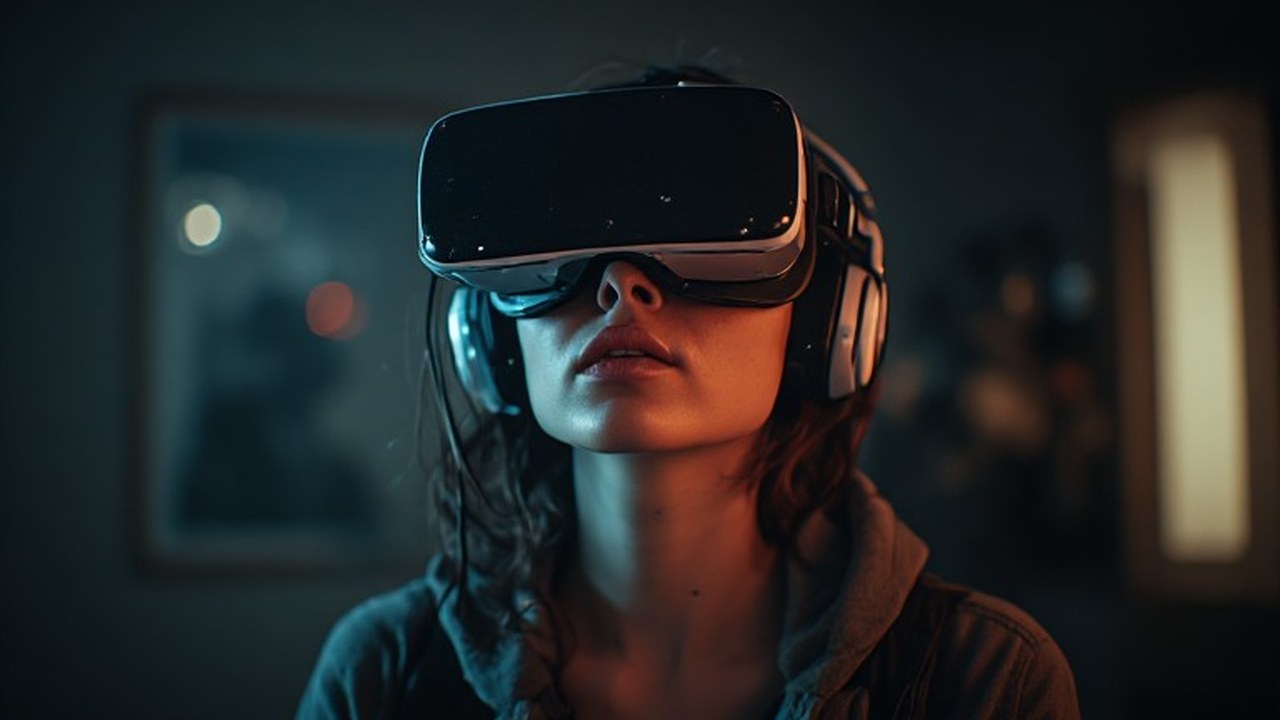
Every year someone announces that this is finally the year of virtual reality. It never quite is. 2026 hasn't been that year either, but it has been an interesting one, and for the first time in a while the direction is clear.
The short version: headsets are getting lighter, they're getting more expensive, and the companies making them have stopped promising that we'll all live in the metaverse.
Valve's Steam Frame: great headset, strange way to buy it
The biggest launch for gamers was Valve's Steam Frame, which went on sale in September. It's a standalone headset, so it works without a PC, but it's built to stream your Steam library from one too. It costs $1,059 for the 256GB model and $1,299 for 1TB, and the power supply is sold separately.
The odd part is how you get one. Valve ran it as a lottery: you joined a list, the list was shuffled, and the lucky ones got 72 hours to buy. Everyone else went onto a waiting list for stock arriving "weeks or months" later. If you remember trying to get a Steam Deck at launch, you know the feeling.
It's an excellent piece of kit for people who already play PC VR. At more than a thousand dollars, though, it's an enthusiast's headset, not a first one.
Meta's bet: VR glasses, not a Quest 4
At its Connect event on 23 September, Meta didn't show the Quest 4 a lot of people were waiting for. Instead it announced Meta VR Glasses: a pair of glasses Meta says is five times lighter than a Quest 3, with sharp micro-OLED screens, and a small pocket "puck" that holds the battery and does the computing. They're priced at $1,299.99 and due next spring.
What they're for tells you a lot. Meta is pitching them for films, 3D movies and IMAX-style viewing, not for running around virtual worlds. Mark Zuckerberg also said the company had moved its focus away from the metaverse and would build fewer VR devices until there are real breakthroughs. After years of "the metaverse is the future", that's a remarkably honest thing to say.
Why everything costs more
If you thought headsets would get cheaper every year, 2026 had bad news. Memory chips are in short supply because AI data centres are buying enormous amounts of them, and that has pushed up the price of almost every gadget with RAM inside.
In April, Meta raised its prices: the Quest 3S went from $299.99 to $349.99, and the Quest 3 from $499.99 to $599.99. That's the first time we can remember a headset getting more expensive a year and a half after launch. (We wrote about the same squeeze hitting phones in an earlier post.)
Everyone else
- Samsung's Galaxy XR, which runs Google's Android XR, kept rolling out to new countries and reached the UK in July.
- Apple's Vision Pro is still the luxury option: superb screens, a price most people will never pay.
- A Quest 4 isn't expected before 2027 at the earliest.
So, should you buy a VR headset?
Here's our honest take, as people who make games:
| If you are... | Our suggestion |
|---|---|
| Curious, and want to try VR without spending much | A Quest 3S. Still the cheapest way into proper VR, even after the price rise. |
| Into fitness | Also a Quest 3S. Rhythm and boxing games are where VR quietly shines. |
| A PC gamer with a strong graphics card | The Steam Frame, if you can get one, or a Quest 3 with a PC link. |
| Mainly wanting a giant private cinema | Wait for the Meta VR Glasses reviews next spring. |
| Not sure | Wait. Nothing on the market will feel old in a year, and prices may settle once memory supply catches up. |
One more practical point: try before you buy if you can. Some people feel queasy in VR, especially in fast-moving games, and it's much better to find that out in a shop or at a friend's house than after paying.
What it means for small studios like us
We make a cockpit flight game, Skyfront '43, and flight games are one of the places where VR is genuinely magic. Looking over your shoulder at an enemy fighter, instead of pressing a button to change the camera, is the kind of thing a flat screen can't match.
But the numbers matter. VR is still a small audience next to phones and PCs, and the newest headsets cost more, not less. For a small team, the sensible path is to build a game that's fun on a normal screen first, and treat VR as a bonus when the hardware gets cheaper. That's roughly what Meta seems to be saying too, which is the most interesting thing to happen in VR this year.
Further reading: Steam Frame pricing and release revealed (GamingOnLinux) · Meta is trying VR glasses again (TechCrunch) · Meta raises Quest 3 and Quest 3S prices due to RAM shortage (TechCrunch) · VR release dates 2026 (VR.org)